
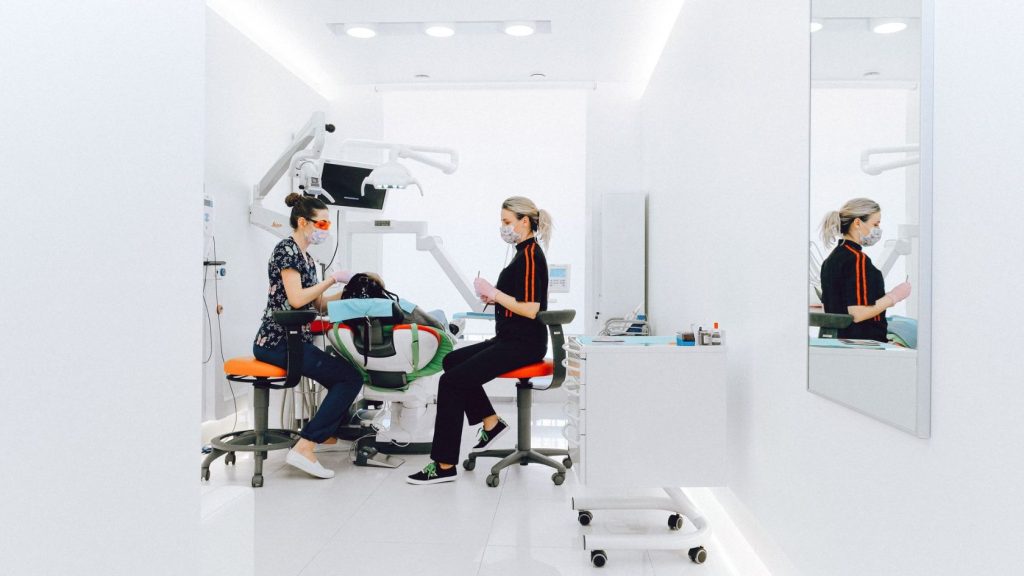
Early in my surgical career, an experienced mentor gave me a piece of guidance I still repeat to associates today: the operating room takes its pulse from the clinician’s hands. When your movements are rushed or tense, your dental nurse senses it, the patient’s blood pressure spikes, and minor surgical hurdles quickly escalate into complications.
True surgical control in modern implantology and oral surgery rarely comes from working faster. It comes from radical stillness and deliberate planning.
Long before laying the first mucoperiosteal flap, the surgical outcome should already be decided. Today’s digital diagnostics—from high-resolution CBCT scans to static and dynamic surgical guides—give us the ability to identify anatomical hazards, bone volume deficits, and angulation challenges well ahead of time. Yet technology is only a diagnostic compass; it cannot replace surgical discipline.
When a lingual plate perforation threatens or an unexpected bleeding vessel emerges, panic is the mind trying to process too much information at once. To counter this, master clinicians rely on standard operating frameworks. Break every surgical intervention down into predictable, micro-steps: clean incision, gentle tissue reflection, systematic osteotomy with continuous irrigation, tension-free periosteal releasing incisions, and passive closure.
If you encounter resistance, step back. Change your suction tip, secure local haemostasis, adjust your light, and breathe. When you master your internal composure, you do not just ensure better osseointegration and soft tissue healing—you give your patient the profound comfort of being in safe, steady hands.